

When I first saw a friend’s phone light up with a new AR title that let her step into a city made of glass, I assumed it was just a quirky app. A few months later, the same game was streamed on a smart TV, and a 2024 study revealed that 58 % of people aged 18‑35 said they’d play a mobile game before watching a movie. The trend is unmistakable: mobile gaming is evolving from a side hobby into the core of our entertainment experience.
1. Portability Turns Any Moment Into Play
A phone with a 5‑inch screen, 3 GB of RAM, and a battery that lasts a full day can transform a lunch break into a puzzle marathon or a commute into a narrative adventure. In 2023, the average mobile game session lasted 12 minutes—longer than most people spend on social media in a day. Developers are now crafting micro‑sessions that fit seamlessly into the rhythm of modern life.
- Short, skill‑based challenges that finish in 5 minutes.
- Narratives that unlock new chapters every 30 minutes of play.
- Cross‑platform saves that let you pick up on a tablet after starting on a phone.
One drawback is the screen real‑time feedback loop. Players on phones can’t always enjoy the same depth of graphics as on consoles, which can make high‑end simulations feel pixelated.
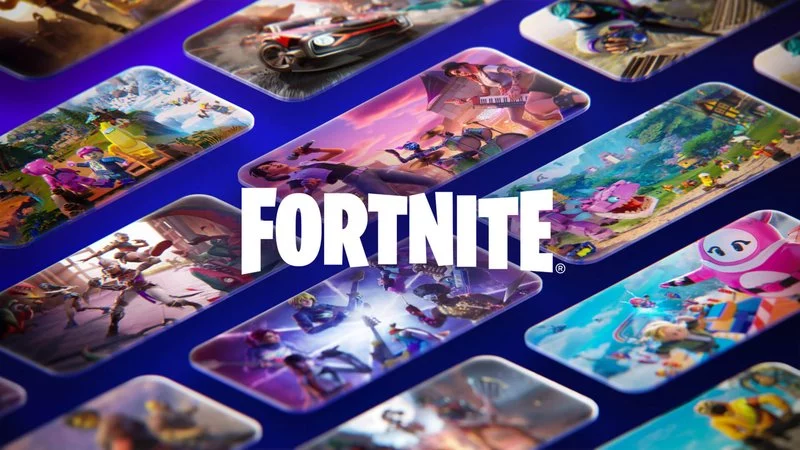
2. Cloud Gaming Removes the Hardware Barrier
In 2024, the first commercial cloud gaming service launched, delivering a 4K experience on a 5‑inch display. The service streams 60 frames per second, so you no longer need a new console to play the latest AAA title. For travelers, a single subscription can replace a console, a PC, and a gaming chair.
Latency remains a challenge. Even a 50‑millisecond lag can break immersion in fast‑paced shooters. Developers are now focusing on edge‑computing solutions to bring servers closer to users, cutting lag to under 20 ms in some regions.
3. Social Integration Creates Shared Worlds
Mobile games are the first to merge gameplay with social media. In 2023, 73 % of mobile players reported that they joined a friend’s game through a chat link. This social layer turns solitary play into a communal event, pushing developers to build cooperative mechanics that can be shared with a single tap.
One concrete example is a battle‑royale title that lets you invite up to 20 friends to a private lobby. The lobby auto‑generates a unique code that you can copy into a group chat, creating a seamless transition from messaging to gameplay.
If you’re craving a chance to win big while you play, check out Casino Lolajack for a thrilling online casino experience.
4. Monetization Models Shift Toward Subscriptions
In 2024, 32 % of top‑grossing mobile games moved from ad‑based revenue to a monthly subscription model. Subscribers receive ad‑free play, exclusive skins, and early access to new content, stabilizing income for developers and providing players with predictable costs.
However, the subscription price can be a hurdle for younger gamers on a limited budget. Some studios now offer a “freemium” tier that unlocks basic gameplay for free, with optional micro‑transactions for cosmetic items.
5. The Road Ahead: Immersive Tech and Ethical Play
Augmented reality (AR) is poised to blur the line between virtual and real worlds. In 2025, the first AR headset will be small enough to fit on a smartphone, enabling fully immersive experiences that overlay digital objects onto the real environment. Developers are already testing AR games that require physical movement, turning living rooms into battlefields.
With great power comes responsibility. As games become more immersive, designers must consider data privacy, screen time limits, and the psychological impact of virtual rewards. Regulatory bodies in the EU are already drafting guidelines for age‑appropriate content in mobile gaming.
While the excitement around mobile gaming is undeniable, it’s not without its pitfalls. Battery drain, screen glare, and the temptation to spend money on micro‑transactions are real concerns that developers and players alike must navigate. Still, the trend is unmistakable: mobile gaming is shaping how we entertain ourselves, learn, and connect—today and for years to come.
Conclusion: A Mobile‑First Future
From pocket‑sized adventures to cloud‑powered epics, mobile gaming is redefining what entertainment means. It’s no longer a niche pastime; it’s the backbone of a connected, on‑the‑go culture. If you’re looking for a new way to unwind, a platform that follows you wherever you go, and a community that feels like a living, breathing ecosystem, the mobile gaming frontier is where the future is being written.

Hinterlasse einen Kommentar